All Tips columns
Filter by category. From luggage and crowds to weather and safety—the planning that pays off when you're a big group.
 AI-generated
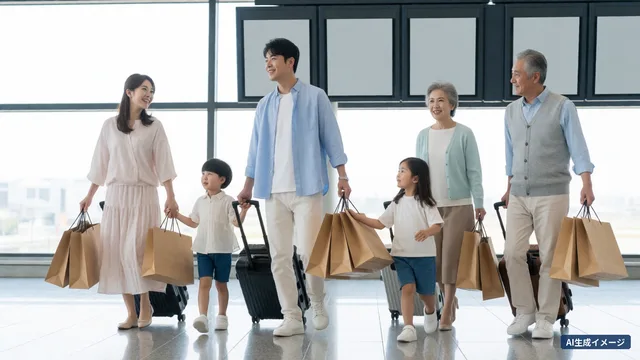
Japan's tax-free shopping changes in November 2026
You pay the tax-inclusive price in the shop and get it back after you leave. Put it in checked baggage and the refund is gone.
Read the guide AI-generated
Forwarding luggage in Japan: which properties can receive it
Unstaffed properties never get it. How to tell which ones can.
Read the guide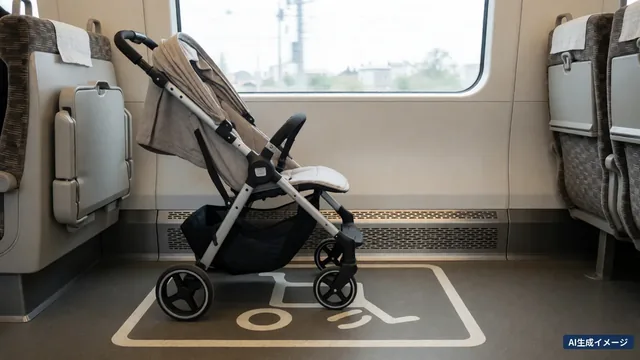 AI-generated
Taking a pushchair on trains and buses
On Japanese trains you do not have to fold it. There are just two symbols to learn.
Read the guide AI-generated
You do not tip in Japan
The price on the tag is the price you pay. What is added instead is two taxes charged per person, per night.
Read the guide
Avoiding Kyoto's crowds with kids: early-morning routes and Gion etiquette
How to get around early, quieter alternative spots, and the manners for visiting Gion with children.
Read the guide
Shinkansen oversized-baggage map: which lines need a reservation
Which Shinkansen lines require an oversized-baggage-space reservation for your suitcase, and which don't.
Read the guide
Surviving a Japanese summer: heat and rain prep for families
How to handle Japan's summer heat and sudden rain when you're out all day with the kids.
Read the guide AI-generated
A large family's Okinawa summer: sun, typhoons, and sea safety
Subtropical sun, typhoon season, rip currents—how to keep a large family safe on Okinawa's beaches.
Read the guide AI-generated
Echigo-Yuzawa onsen tattoo guide: how to find a bath you can enter
How to find onsen and private baths you can enter even with a tattoo, plus the etiquette for a large family.
Read the guide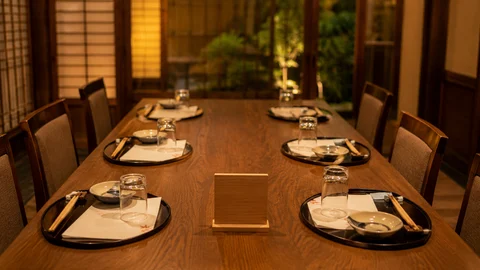 AI-generated
Popular restaurants and experiences need booking ahead
Large-party tables go first. How to tell what needs booking, and how to lock it in.
Read the guide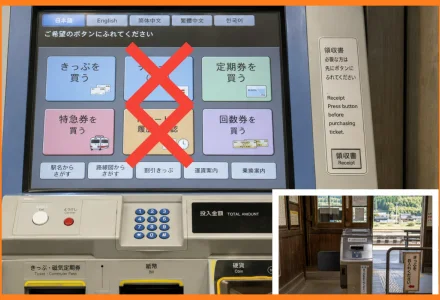 AI-generated
Getting cash and IC cards right: rural areas may still be cash-only
Getting a Welcome Suica, kids' cards, top-up limits, and where to find ATMs in rural areas.
Read the guide
Whole-house rental & vacation-rental etiquette: ID checks, trash sorting, and being a good neighbor
Things to watch for—ID verification at check-in, sorting your trash, and being considerate of the neighbors.
Read the guide AI-generated
Choosing an eSIM or pocket Wi-Fi: keeping everyone connected
A data-only SIM cannot call 110 or 119. At least one adult needs a voice line.
Read the guide AI-generated
Snow gear for families with children: rent or bring
Past three days, buying the wear is cheaper. And children’s sizes stop at 140 cm.
Read the guide AI-generated
How a large family uses a Japanese convenience store
The eat-in tax rate is something the customer declares. Bags cost money from the very first one.
Read the guide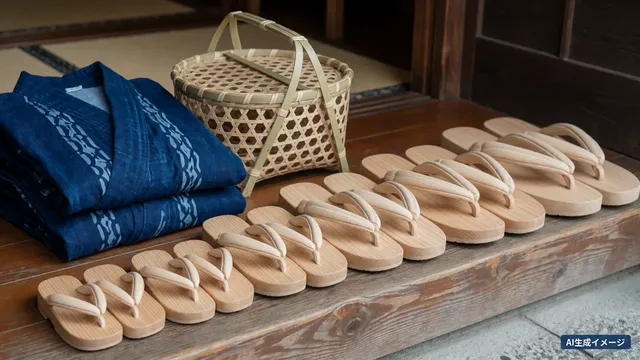 AI-generated
Walking Kinosaki Onsen in yukata and geta: the etiquette
You may go out in the inn's yukata. Children's yukata and winter tanzen depend on the inn, so here are four things to ask when booking.
Read the guide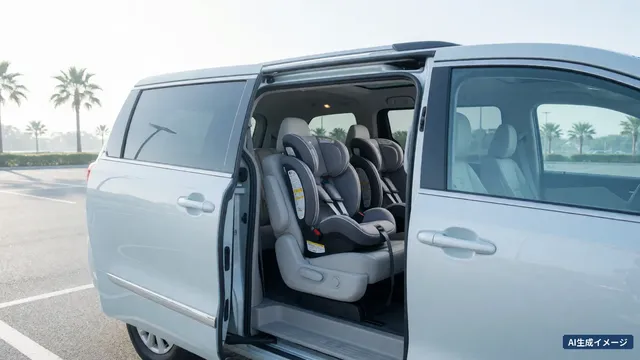 AI-generated
Can you drive in Japan on a foreign licence?
International Driving Permit or translation: where the line falls by country, and the child seats you cannot skip even in an 8-seater.
Read the guide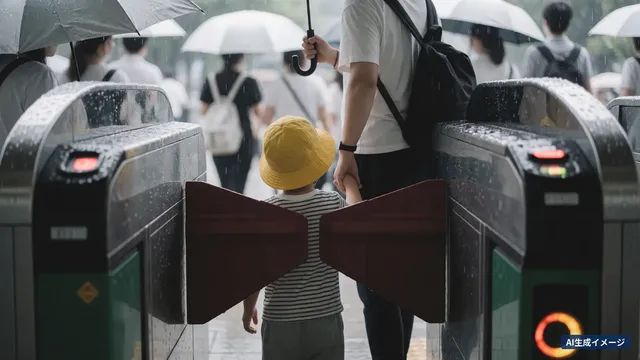 AI-generated
At what age do children pay on Japanese trains?
It goes by school year, and how many infants ride free differs by company: subway 4, JR 2, highway buses 1.
Read the guide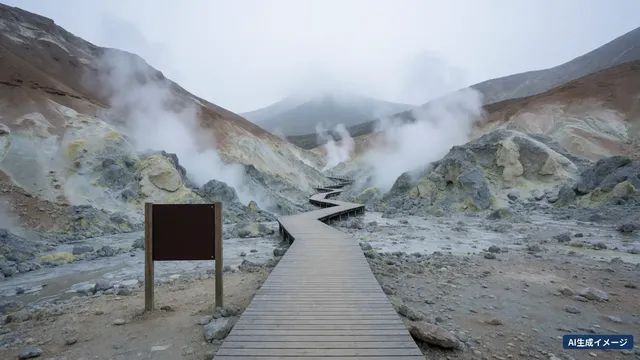 AI-generated
Can you take kids to Owakudani? The official volcanic gas lines
Who cannot ride the ropeway, and who should consider not getting off. Split up and meet at Togendai.
Read the guide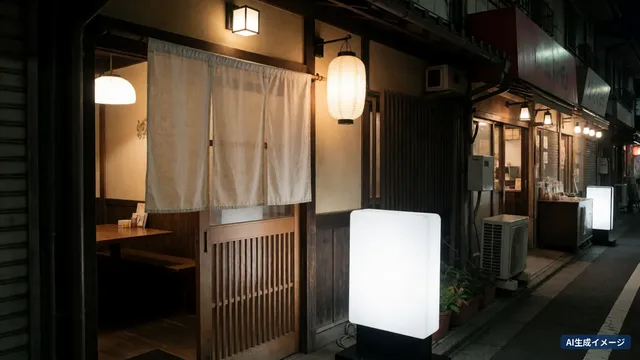 AI-generated
Smoking rules in Japanese restaurants
The sign at the door tells you where under-20s cannot go. Plus Hokkaido's non-smoking signs.
Read the guide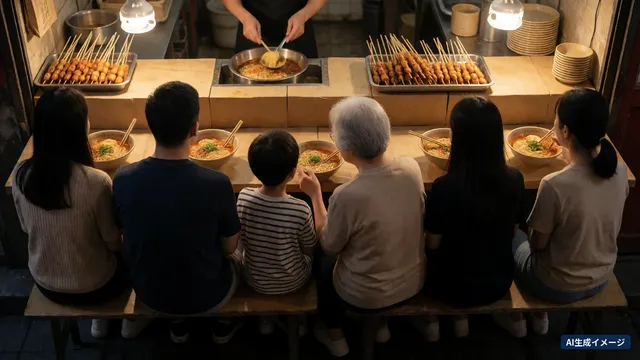 AI-generated
Fukuoka's yatai stalls with a family of 6
A stall is full at about 10. What to do when you cannot sit, and where the etiquette lines are.
Read the guide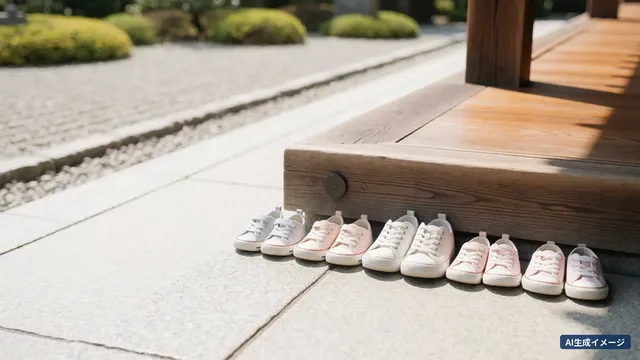 AI-generated
Rules for visiting temples and shrines in Kyoto
Paid entry closes between 15:30 and 17:30. Shoes, photos and pushchairs differ by site.
Read the guide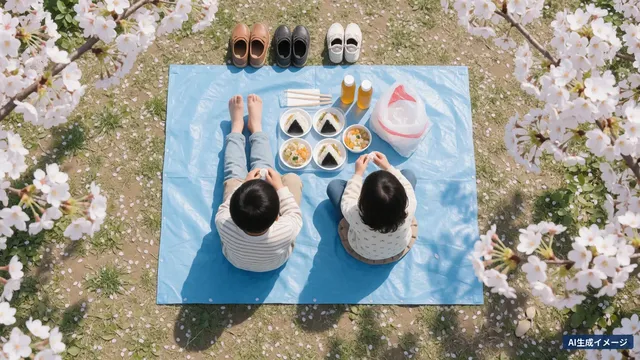 AI-generated
Cherry-blossom picnic rules differ from park to park
Only Shinjuku Gyoen bans alcohol in writing. Saving a spot unattended and fire are off-limits at all 4 parks.
Read the guide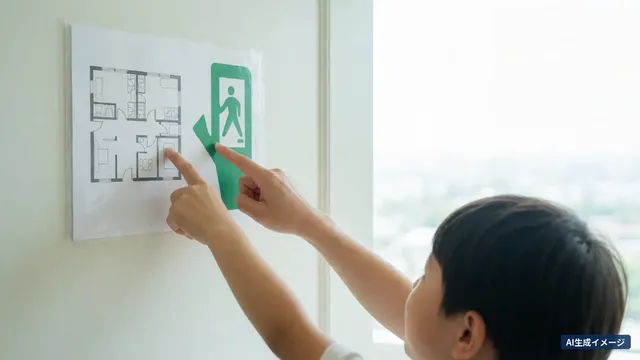 AI-generated
If an earthquake hits in Japan: 3 things a big family sets up on the day they arrive
Install Safety tips, and decide where the 6 of you meet and how you get in touch.
Read the guide AI-generated
If your child gets a fever while travelling in Japan
Trouble breathing or not fully conscious: call 119. Not sure: phone for advice. Outer islands such as Taketomi have no ambulance crews.
Read the guide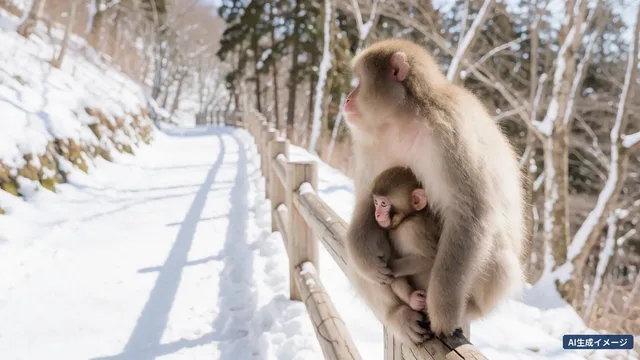 AI-generated
If you meet wild monkeys or bears in Japan
Do not stare at monkeys from close up; with a bear, keep your eyes on it and back away slowly.
Read the guide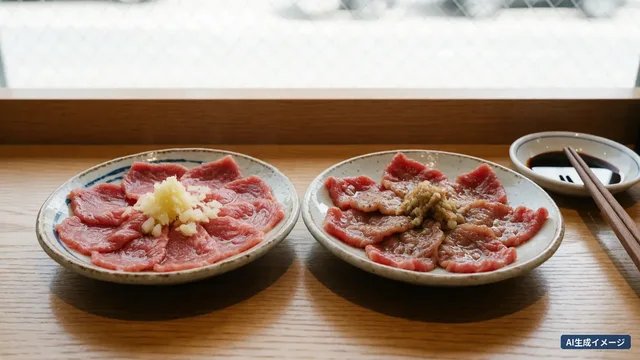 AI-generated
Can children eat raw food in Japan?
Basashi is not banned, but Kumamoto Prefecture advises children and older people not to eat it raw.
Read the guideThere aren't any columns in this category yet. Try clearing the filter.