Summer in Okinawa with a Large Family: A Safety Guide to Sun, Typhoons and the Sea
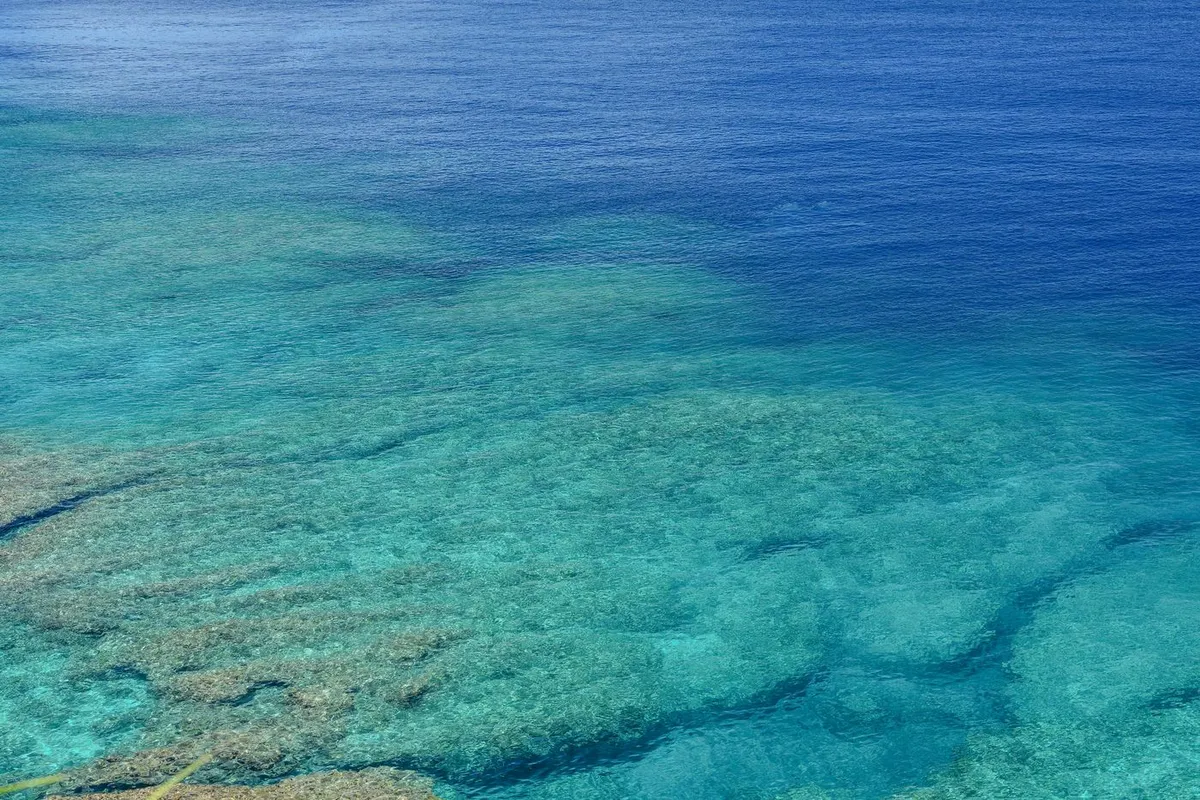
Here's the bottom line: an Okinawa summer is wonderful, but the UV, heat, typhoons and sea are all stronger than on the mainland. That's exactly why a large family should lock in four things before the trip — ① sun and heat protection, ② a typhoon backup plan, ③ sea and pool safety, and ④ booking early in peak season — so that even with lots of kids, you can enjoy it safely and to the full.
The more children you have, the more one person's illness or injury affects the whole trip — sunburn, heat exhaustion, sudden weather, and the sea. In Okinawa, "let's be careful" isn't enough. Share the concrete preparations as a family.
Strong UV and heat: how to protect the kids
The short answer: Okinawa's subtropical sun is intense, so steady, simple habits keep children safe.
- Sunscreen, hats and rash guards for everyone — and reapply.
- Keep up water and salts; on outdoor-heavy days, build in shade and rest breaks.
- Avoid the midday blaze: do outdoor things early morning / late afternoon and indoor things (like the aquarium) midday.
- Don't push infants or grandparents; watch for early signs of trouble.
Typhoon season: prepare and have a plan B
The short answer: summer to autumn can bring typhoons, so a "fine even if it breaks" plan keeps everyone calm.
- During the trip, check the latest track and warnings on official sources such as the Japan Meteorological Agency (JMA).
- Flights, ferries and island tours can be cancelled. Leave room with buffer days and changeable bookings.
- For unsettled weather, have an indoor plan B (aquarium, indoor venues).
- During a direct typhoon, major attractions close and going out is dangerous — plan to stay safely inside your accommodation until it passes. This is exactly why a condo with a kitchen is a lifesaver: weather-bound days don't leave you stuck for meals.
Sea, beach and pool safety
The short answer: for a big family, the rule is "where it's patrolled, inside the net, and never look away."
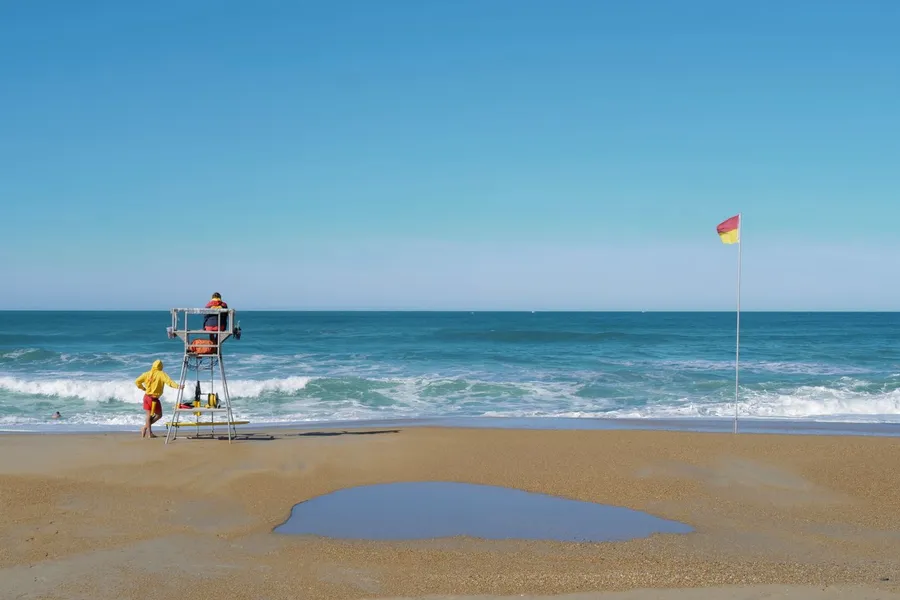
- Swim at patrolled beaches with lifeguards, and always check the swimming flags.
- Okinawa's summer has hazards like box jellyfish (habu jellyfish) — swim inside the jellyfish-protection nets.
- Put children in life jackets; on busy days, assign a designated watcher.
- Beware sudden drop-offs and rip currents; stop early when the kids tire.
In peak season, booking early means safety and savings
The short answer: summer and holidays are busy, so the earlier you lock in lodging and a car, the safer and cheaper it is.
- Accommodation that fits a big group and large rental minivans fill up fast in peak season.
- Reserve child seats for everyone at booking (they can run out on the day).
- Last-minute means higher prices and fewer choices. Booking early secures both budget and your means of getting around.
FAQ
Q. What matters most for kids in an Okinawa summer?
A. Strong UV and heat, sea safety, and typhoons. Be strict about sunscreen, water
and breaks; swim only in patrolled areas inside the jellyfish nets; and prepare for
typhoons with the latest official forecasts.
Q. What if a typhoon disrupts our plans?
A. Build in buffer days and changeable bookings, and switch to indoor plans like
the aquarium for unsettled weather. During a direct typhoon, attractions close and
going out is dangerous — stay inside your accommodation until it passes. Check the
latest track on official sources such as the JMA.
Q. Is it safe to let kids swim?
A. Yes — in a patrolled swimming area, inside the jellyfish-protection net, with
life jackets and an adult always watching.
📍 More on this northern Okinawa trip: JUNGLIA guide · where to stay · getting to the north